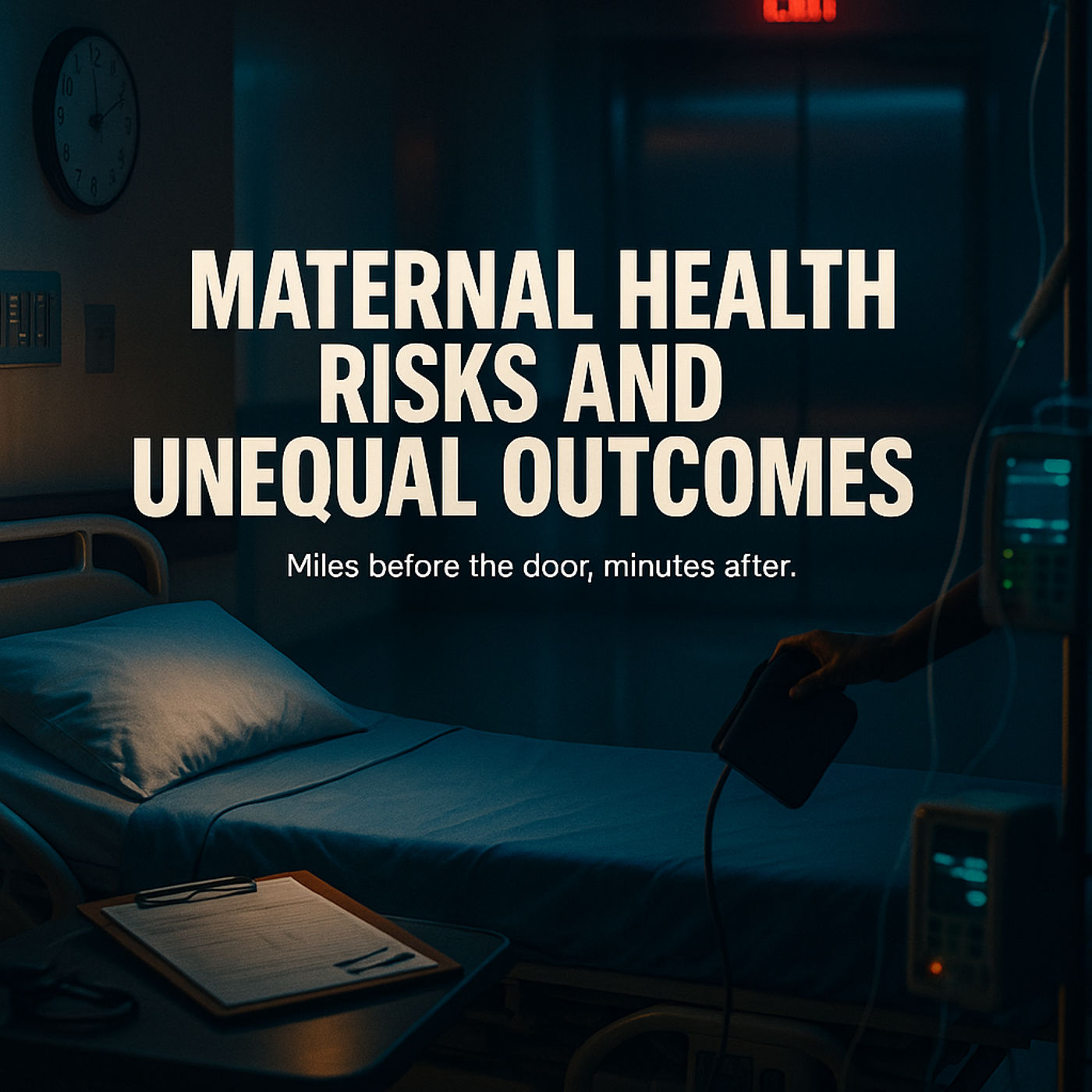
On the night of March twelve, twenty twenty one, a thirty-two-year-old expectant mother walked into triage with a pounding headache, swelling, and flashing lights in her vision. What followed was not a dramatic collapse but a series of small delays. A keypad that stuck. An elevator that paused. A transport line that needed three calls. Each delay cost minutes that mattered. The chart would later show a clean set of time stamps. The body felt the minutes differently.
This investigation follows that night step by step and then pulls the lens wider. Through inspection reports, complaint logs, and interviews with nurses, doulas, paramedics, and policy leaders, the story shows how risk builds in quiet ways. Distance matters before the door. Protocol speed matters after the door. Staffing levels, equipment readiness, and clear language all shape the chain that decides outcomes.
Data from state records reveal a steady gap. Severe maternal morbidity is higher in counties where labor units have closed. Emergency transfers rise where night coverage is thin. Early prenatal care lags in neighborhoods without easy transport. These numbers align with lived voices who describe the strain of distance, cost, and trust.
The final chapter names ownership. Hospitals own the minutes after the door. Counties own the miles to reach it. Health plans own the fear of bills that keep families from calling. The state owns the standards that guide training and staffing. Concrete fixes emerge: replace faulty equipment within a week, post a single priority transport number, align bus routes with clinic days, and test ambulance-bill relief for maternal emergencies.
The question that remains is simple but urgent. Nine months from now, will these steps shorten the clock enough to prevent harm—or will another night replay the same pattern of avoidable minutes?

In this gripping episode of THE TRIALS OF WOMAN, we explore the devastating intersection of ancient tradition and modern law. As the UK’s 2026...
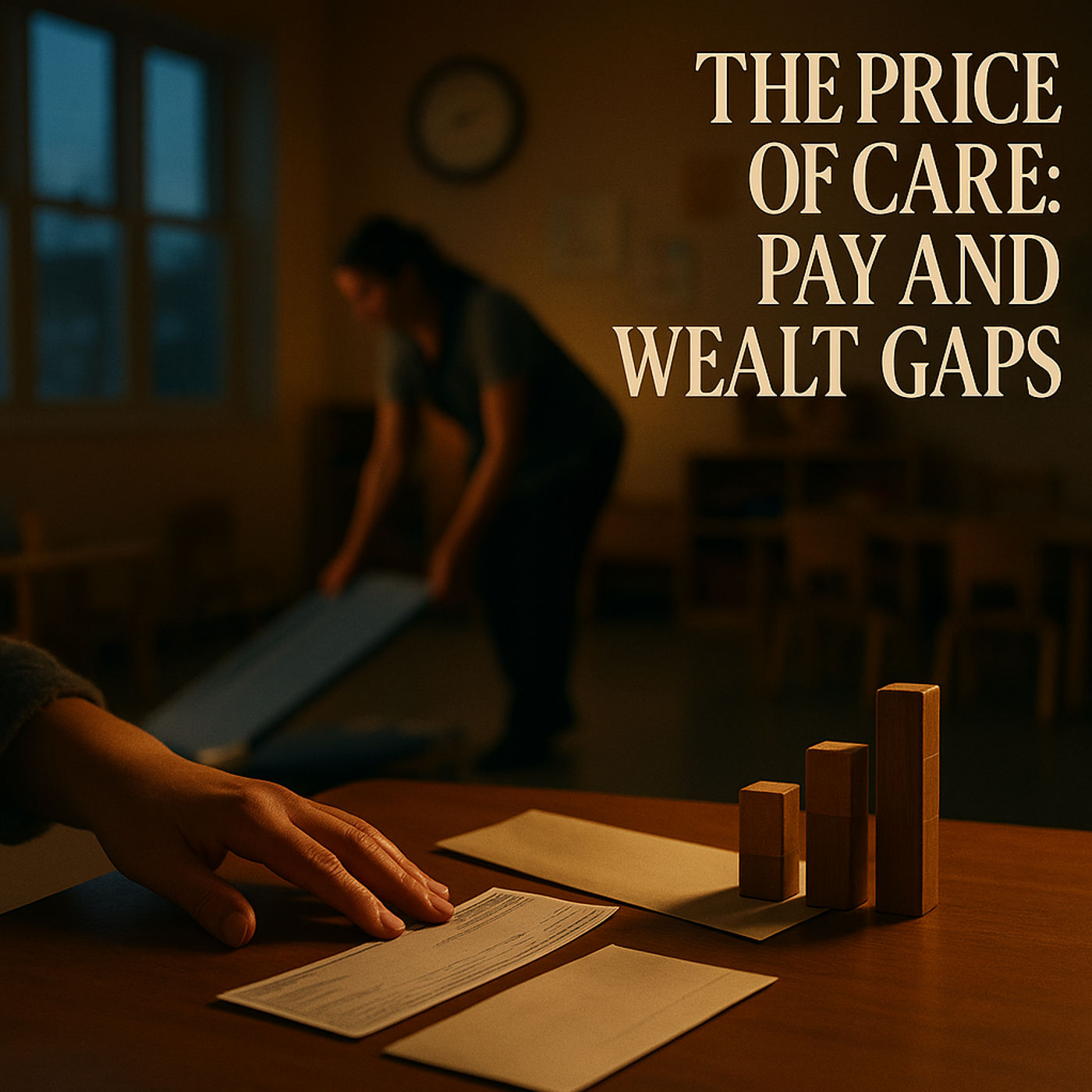
An investigative documentary that follows real workdays, balance sheets, and city maps to expose how pay gaps turn into wealth gaps—and how the first...
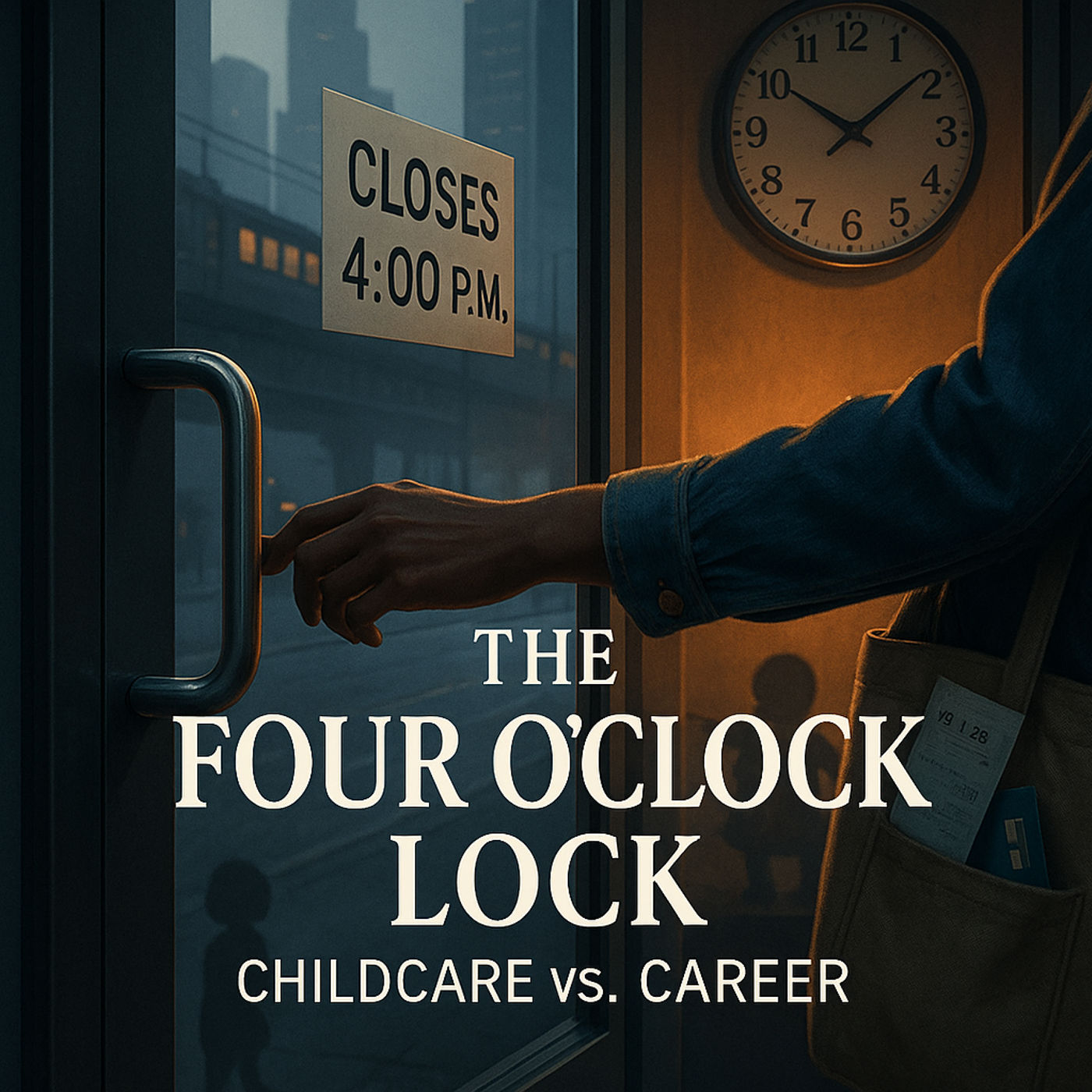
A locked door at four p.m. meets a company push for three days on site. The Four O’Clock Lock follows Nia, a Black mother...