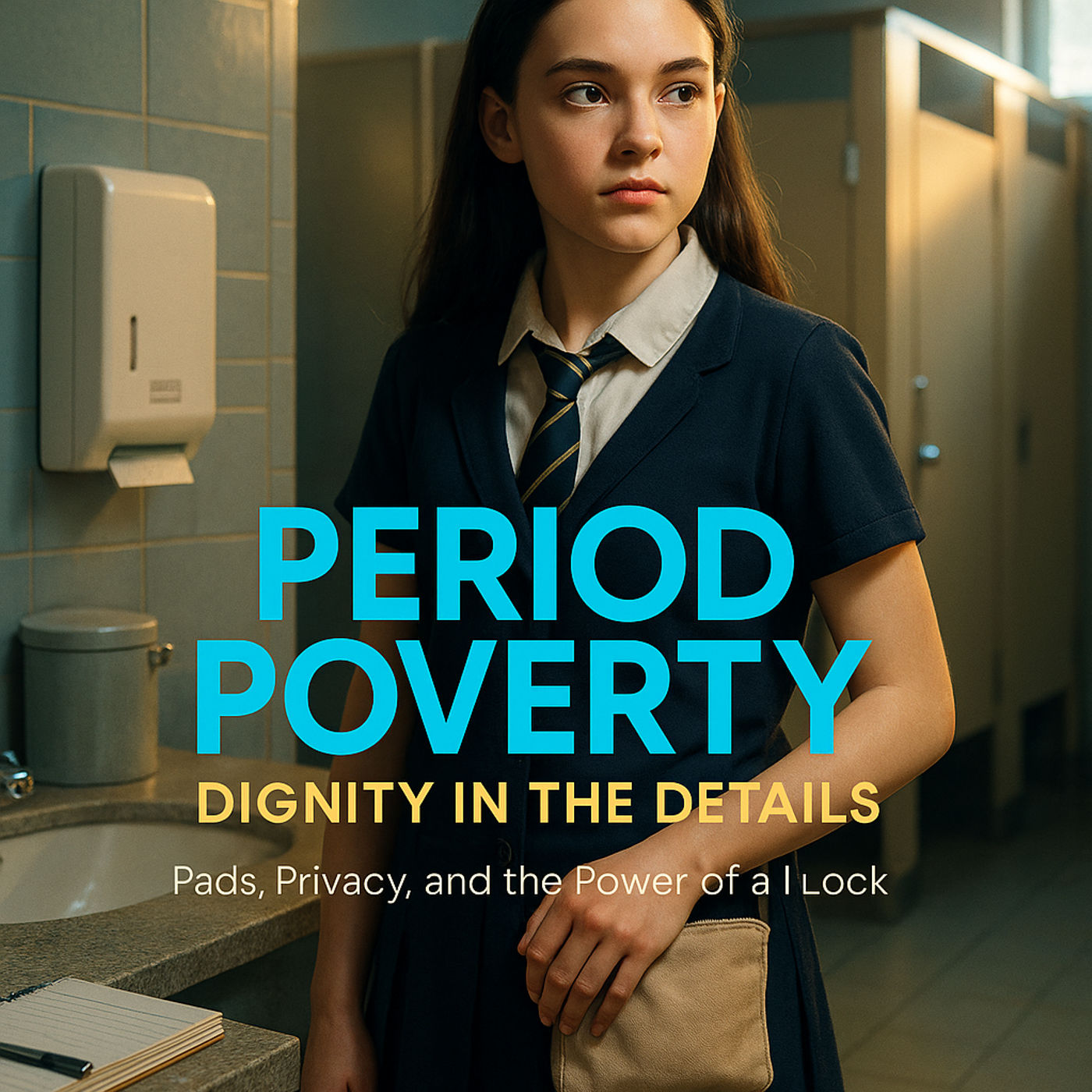
Schools ring their morning bells, but too many desks sit empty. Not for lack of interest, and not for illness. Girls and women are staying home because bathrooms don’t lock, bins aren’t there, water runs dry, and supplies cost more than the week’s spare cash. This episode investigates period poverty as it actually feels in a day: the student counting hours until the bell, the shelter worker rationing toilet paper, the custodian paying out of pocket, the line supervisor who times breaks to the noise of a machine.
We follow a clear thread from stigma to systems: delayed pad orders, contracts that never mention bin service, “facilities” meetings where the word period disappears. Then we test fixes that work in the real world: stall-bin placement, stocked dispensers, neutral language at the front desk, locks that close, water that runs, and service lines that name who empties what and when.
The result isn’t theory. It’s attendance up, anxiety down, and dignity restored—tracked by simple checklists anyone can audit. The question isn’t what to do. It’s who will keep the basics on schedule, week after week, so presence replaces absence.

In this gripping episode of THE TRIALS OF WOMAN, we explore the harrowing reality of the 2026 agricultural labor investigations through the eyes of...
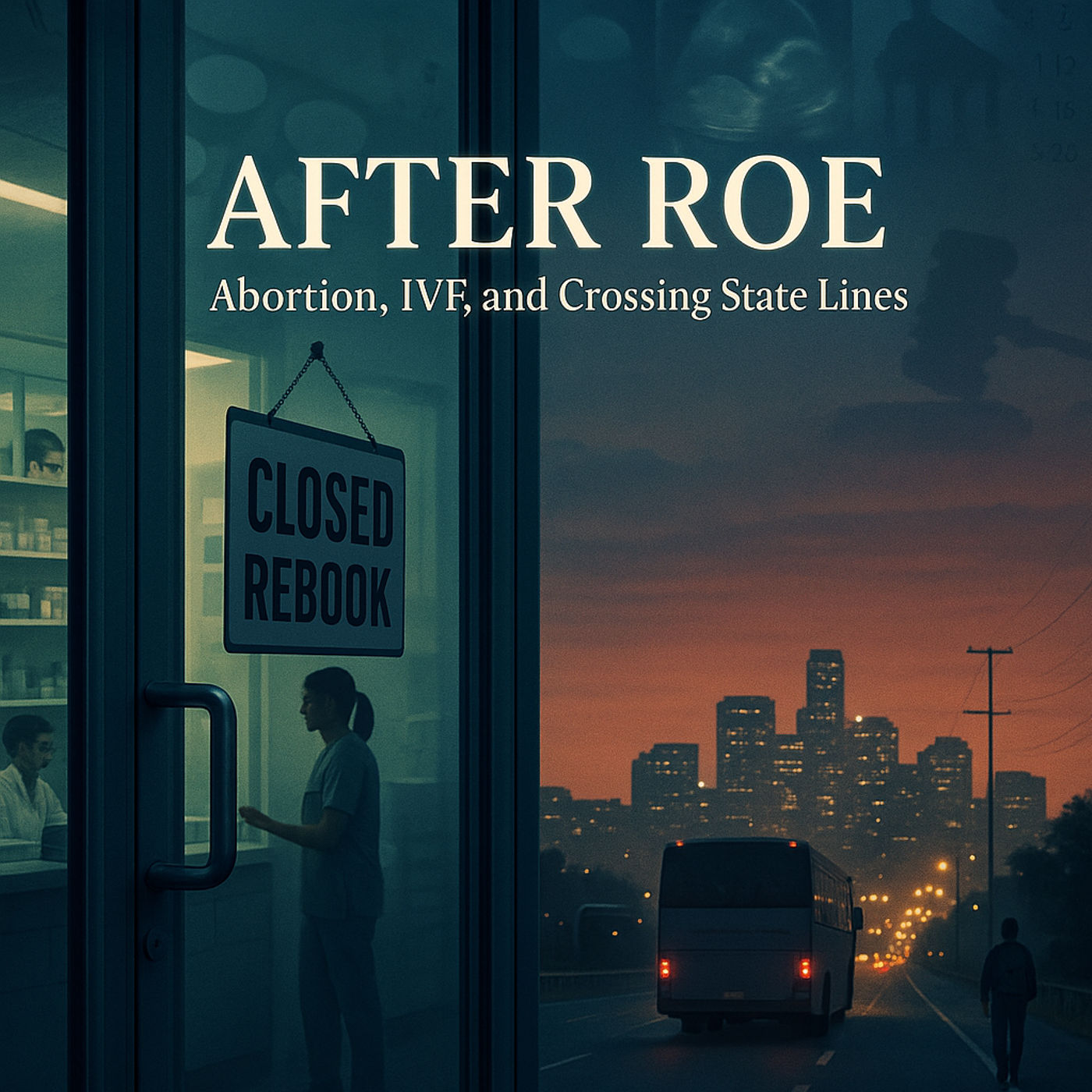
A clear, human documentary that follows families, clinicians, and employers navigating access after Dobbs—where a ZIP code can decide care, telehealth and shield laws...

Infertility and Silence is a first-person narrative of a Middle Eastern woman living in Amman as her inability to conceive is quietly transformed from...